
A few days have passed since the SWISSMAN 2024, and my vacation has come to an end. I was hoping to be buoyed by the triumph of completing the SWISSMAN, but the story took a different turn. Participating in SWISSMAN 2024 was my birthday gift to myself for my 40th. While many celebrate with parties, I find joy in the endurance and challenge of races like this.
This year’s journey was particularly meaningful after a tumultuous 2022/23 marked by personal and professional upheaval. My wife Marianne and I committed to a healthier lifestyle for 2024. As my previous posts have shown, my preparation had its ups and downs, but I gave it everything I had. The ability to commute by bike in my new job was a crucial step in my training. On an uphill trajectory, I felt optimistic about my chances of finishing, despite probably being undertrained for this endeavor.
My determination and the unwavering support of my family drove me to the start line, ready to face whatever came my way.
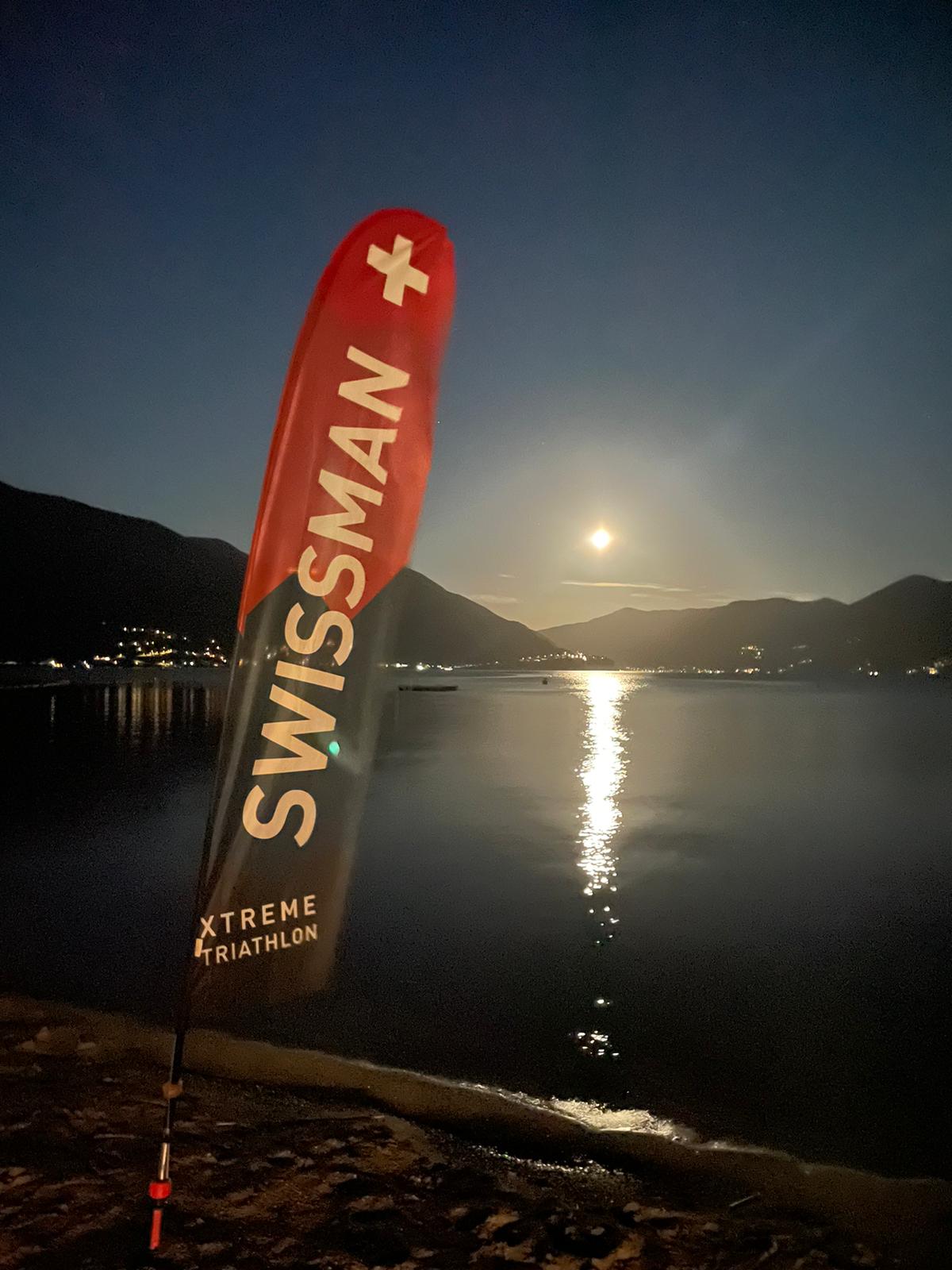
In hindsight, I know where I lost the race, or to be precise, the chance to finish. Hindsight always brings more knowledge. So let’s start the day: an early check-in to the boat, a new wetsuit ready, and a nougat bar with something to drink as pre-race fuel. After an hour on the boat, we glided into the water, swam towards the start line, and waited for the cowbells to send us off on an epic day.
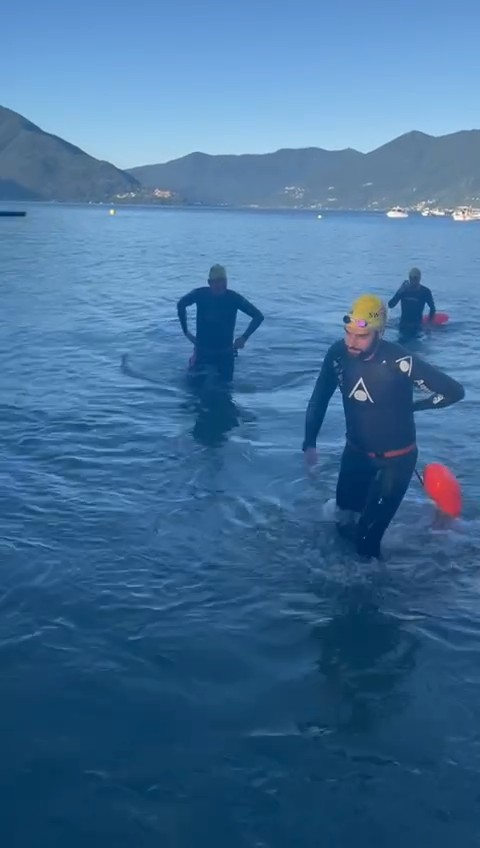
And so it began. I started in the middle of the pack with about 250 fellow athletes, which felt intimidating but manageable. I felt good moving with the pack, giving me a solid start. However, as the swim progressed, things took a turn for the worse. The nougat bar turned out to be a terrible idea, sitting heavily in my stomach and making me feel sick. The pack around me had dispersed, and being kicked in the face didn’t help. A glance at my watch told me I had a solid 1500 meters to go, and time was running short. I battled a quick urge of panic and focused on the yellow light marking the swim exit. About 30 minutes later than expected, with a sick stomach and feeling quite exhausted, I finally climbed ashore and headed to the transition zone. Despite having another 15 minutes before the cut-off time, I quickly transitioned and set off on the bike.
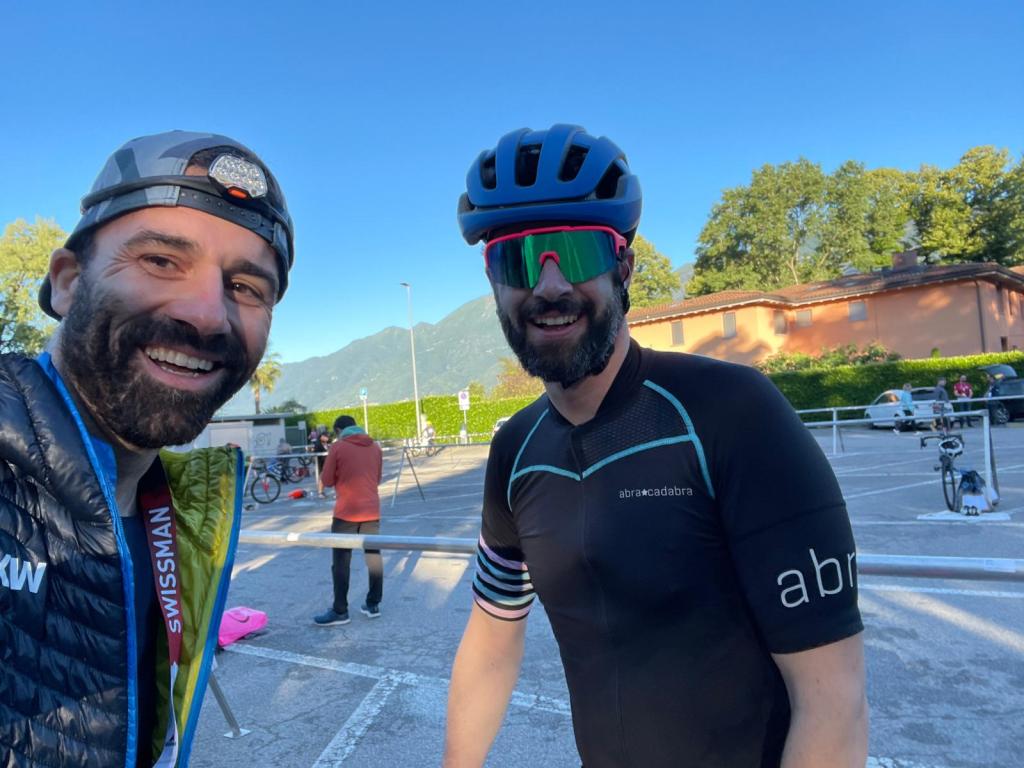
After roughly two hours on the bike, I found my rhythm. Turning the crank and focusing on eating foods I knew I could easily digest, I rolled towards Airolo and the base of the Gotthard climb. The hours spent in the aero position while commuting paid off, as I felt good on my bike and finally got into race mode.
And then came the Gotthard climb with its dreaded Tremola and cobblestone pavement, doing their best to mess with my rolling resistance. But hey, the climb actually felt good. Excellent support halfway up and all the way to the top meant it was time for a pasta break after seven hours of racing—right on time for lunch. However, in true adventure fashion, I missed the turn onto the regular pass road for the descent, leading to a struggle with the downhill part of Tremola and a wild ride over cobblestones for half the descent towards Hospenthal.
After a quick roll into Realp, Furkapass awaited. On my last attempt at SWISSMAN, Furka was where I had my comeback, at least feeling-wise. This time, it was different. I was deep in the suffer tunnel, and even the unexpected ride-along of a good friend from former work times could only halfway cheer me up. But as they say in these events, after the crisis comes the comeback—unless you’re done completely. About 1.5 km before the summit, I managed to eat again and found renewed strength. I reached Furkapass, quickly layered up for a cold descent, ate something, and set off on a fast downhill into the last big climb—Grimsel.
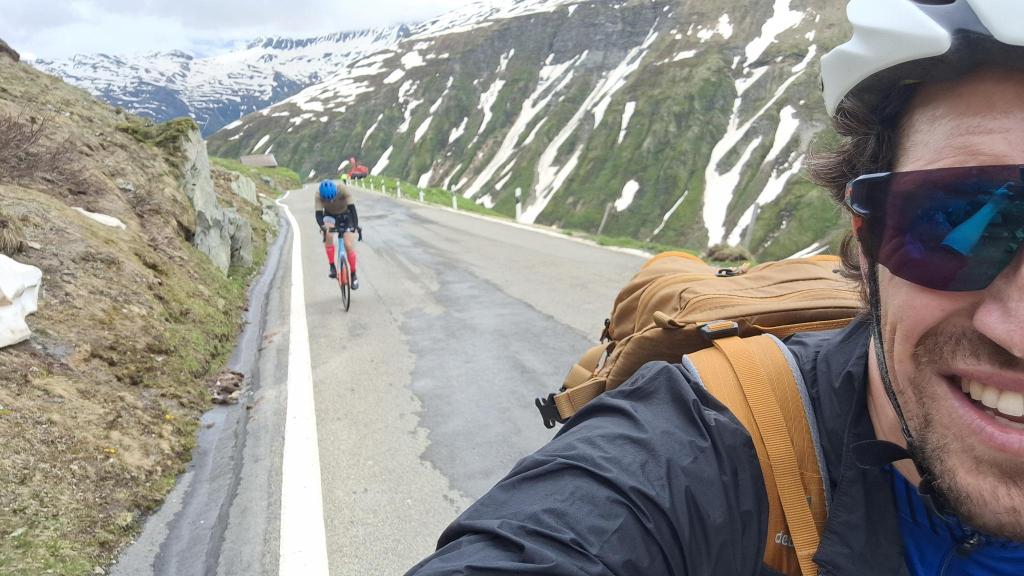
As I began the climb to Grimsel, the weather decided to play a little prank. The descent to Guttannen turned brutal, with visibility sometimes no more than 50 meters in the deep fog. I had to ditch the goggles because I couldn’t see a thing, but that meant rain pelted my face like tiny, wet missiles. Strangely enough, I enjoyed the descent. Feeling one with my bike and having a good setup for wet, slippery roads, I felt comfortable racing down. I even managed to conquer the last mini-climb at Aareschlucht before rolling towards T2.
Of course, my adventure wouldn’t be complete without a wrong turn, thanks to my impaired vision. A quick map check got me back on track, though. I made it to T2 right in the middle of my two estimated race time tables—one labeled “fast” (for me) and the other “close to cut-off.”
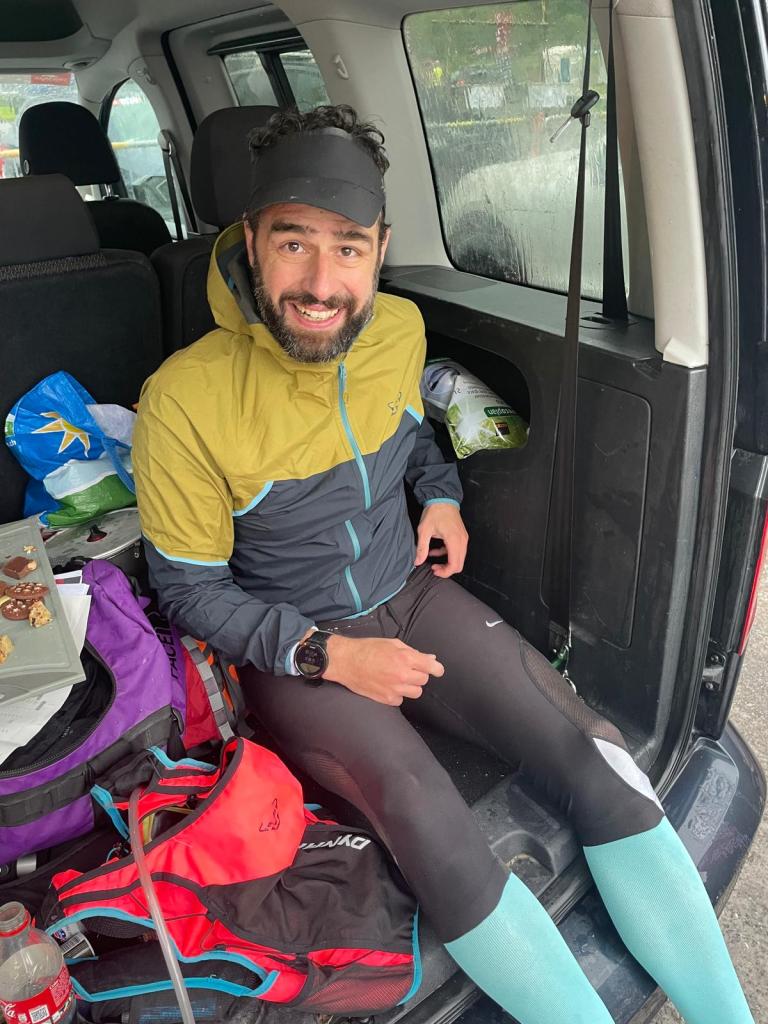
Starting the run felt solid. After the climb to Giessbachfälle, I could stick to my race tactics, running the flat and downhill sections at a slow but steady pace. Then, roughly 13.5 km and 13 hours into the race, disaster struck. After a quick bite and something to drink, I tried to run out of the village but had to stop and empty my stomach. Out of nowhere, gastrointestinal (GI) distress hit me hard, so hard that I couldn’t eat or drink anything after that.
It was a throwback to my X-Traversée race last year, where this happened about 13 hours into the race as well. Back then, I attributed it to undertraining and shaking my stomach heavily on the trail. But here, I had only been running for a bit more than an hour.
I knew instantly the race was over. In the X-Traversée, I couldn’t find a way to soothe my GI distress, but the generous cut-off time allowed me to trudge along through the night to the finish, surviving on occasional licks of energy gum and bouts of vomiting.
Here, however, I needed to keep moving at a running pace to make the cut-offs. Grindelwald wasn’t in reach yet, let alone Kleine Scheidegg. Despite the weather clearing, my mind spiraled. I couldn’t eat or drink. I tried again and again, even though I knew the outcome would be unpleasant. I just wanted to try everything.
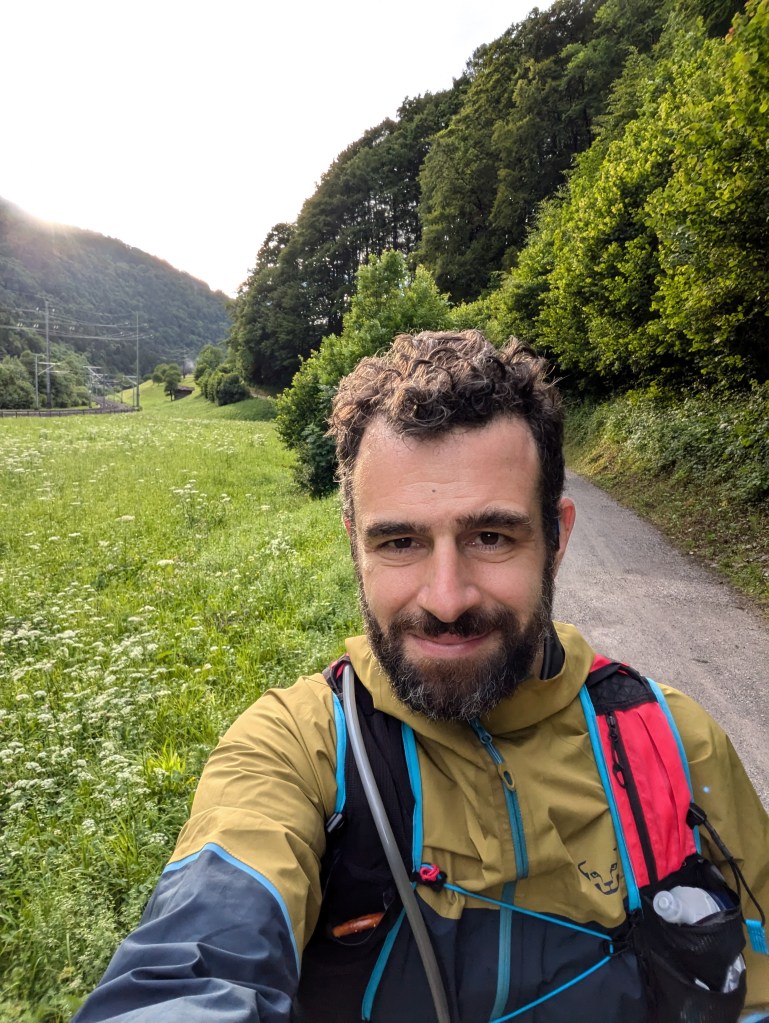
Four rounds of vomiting left me with no energy to continue. At that point, I had to make the difficult decision to stop, knowing I had nothing left to give. And with that, I had to bury my dream of finishing SWISSMAN 2024. After 15.5 hours and 210 km, I climbed into my support car. My supporter called the race officials to inform them of my withdrawal, and we headed to the hotel room. Energy depleted, sick, and with my body going into shutdown mode, I dozed off into a deep sleep. Over and out!
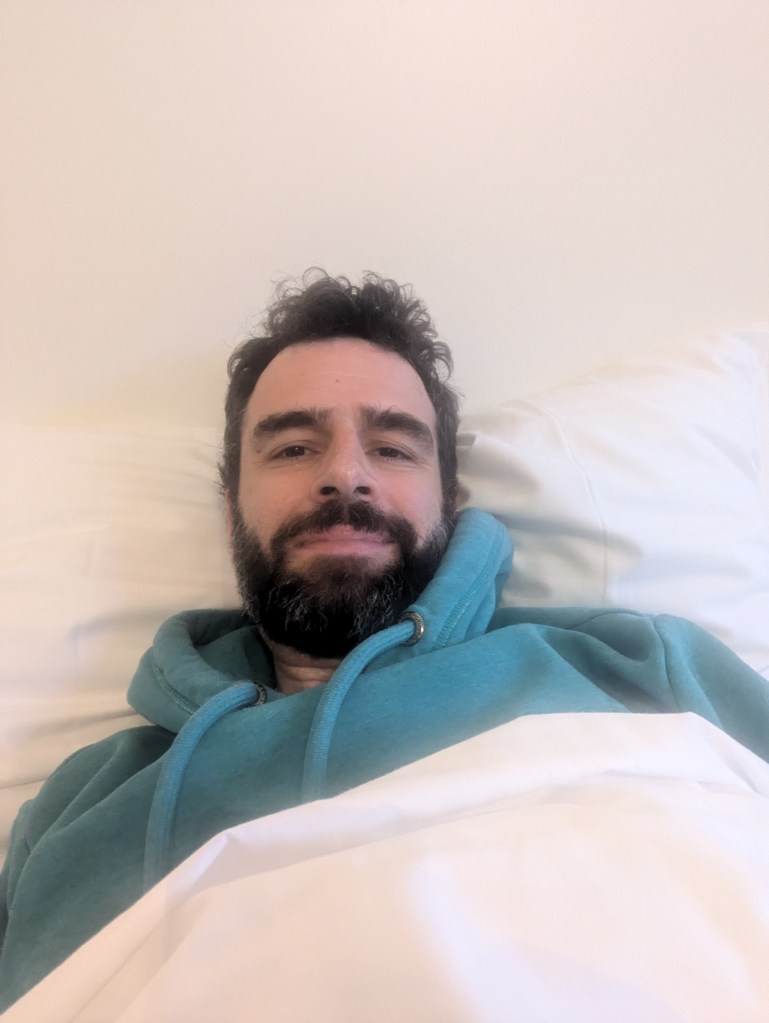
Reflecting on the race, I had a moving time of 15.30 hours, completed the longest swim in decades, and crossed three mountain passes. While I am deeply disappointed and sad about not finishing, the journey itself was significant. The unfulfilled goal of reaching Kleine Scheidegg weighs heavily on me, but I recognize that aiming so high was well outside my comfort zone. Given my health issues, getting as far as I did is an achievement in itself.
Even after three weeks, the disappointment still stings. I’m surprised by how much it still hurts. And the main factor is, that the reason to abandon the race was not a muscular one, but a gastrointestinal one… And that could maybe have been prevented…. I know this feeling will fuel my future endeavors and right now the urge to find out how my fueling strategy can be adapted to work for more than 13 hours…
Despite the DNF, I am grateful for the experience and the progress I’ve made. It’s a missed goal that hurts now, but I’m giving myself time to process it. I will set new goals and continue to push myself. Thank you to everyone who supported me along the way—your belief in me means more than words can express.
Here’s to the next challenge and to embracing the journey, no matter where it leads.
 Challenge Accepted!
Hinterlasse einen Kommentar